
World-Leading Research
Join our two world-leading research groups, the Process Intensification Group (PIG) at Newcastle University and the Green Chemistry Centre of Excellence (GCCE) at the University of York, alongside our Industrial Partners, to realise Net Zero in the process industries. Our Directory of Expertise gives more information on the breadth of research undertaken across the two groups.
Find out more about the projects being undertaken by our current students, in the themes of Energy, Feedstocks and Data.
Apply for our current opportunities.


IN PARTNERSHIP
WITH



Apply Now – Available Projects
Recruitment for projects to start in October 2026 has now closed.
Details of opportunities to start in October 2027 will be listed here soon.
Research for Technology Transfer
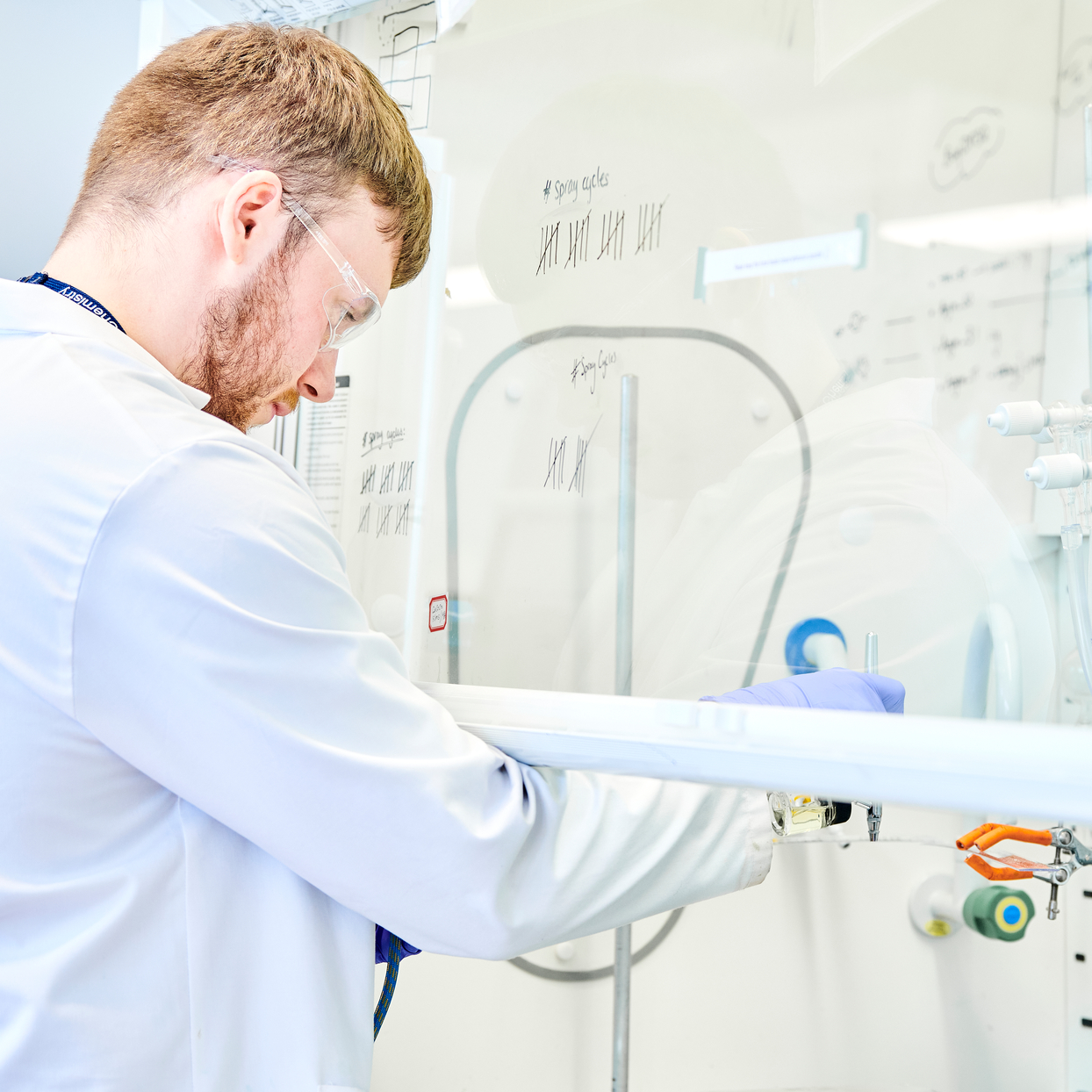
PINZ will co-create industry-informed research projects that will deliver impact

For students:
Your work will be based on real world problems and will therefore lead to impact in the real world and will open the door to industrial careers. This will be ensured through the development of enduring, supportive networks

For companies:
Research findings and technology development in terms of IP, increased technology readiness level, commercialisation, and uptake will be maximised by the breadth of experience and expertise at Newcastle, York, and our Industrial Partners, initial co-creation of projects with industry, and training in associated tech-transfer skills.
Working with industry
If you are a company you can benefit from the PINZ CDT through a number of engagement options
Current Projects
Current Projects
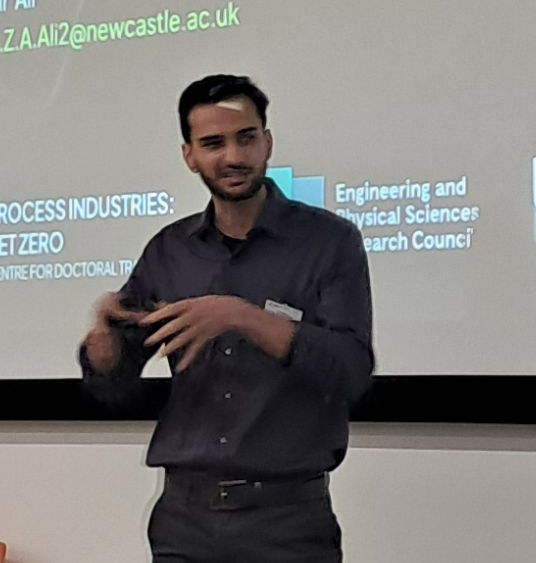
Optimizing Pulse-Jet Cleaning for Sustainable Energy: A CFD Approach to Emissions Control
Student: Mir Zuhair Ali
Email: M.Z.A.Ali2@newcastle.ac.uk
Supervisors: Dr Jonathan McDonough and
Dr Jonathan Lee
Location: Newcastle University
Industrial Partner: Durham Filtration
This project between Newcastle University and Durham Filtration will advance pulse-jet cleaning systems for flue gas treatment emissions control in waste-to-energy and biomass combustion plants. This will be achieved by exploring Computational Fluid Dynamics (CFD) methodologies for optimising filter cleaning processes, with the goal of enhancing filtration efficiency, reducing emissions, and improving the sustainability of energy production. The results will feed directly into real-world applications by leveraging tools such as generative design, CAD/CAM and 3D printing. The research will contribute to the development of more effective and environmentally friendly waste management solutions, aligning with both partners’ commitment to tackling climate change and advancing sustainable technologies.
Optimisation of the cryogenic bulk liquid production and supply market
Student: Abdul Samad
Email: A.Samad2@newcastle.ac.uk
Supervisors: Dr Mark Willis and
Dr Chris O’Malley
Location: Newcastle University
Industrial Partner: BOC Linde
Linde and BOC plants make cryogenic liquid air products at various production rates. Production is subject to variable power prices and customer locations, as well as vehicle and driver availability which creates a complex optimisation / scheduling problem. Moreover, any derived schedule must be automated and continually updated to account for variations in production capacity and efficiency.
This project aims to develop, construct and apply an optimisation strategy for bulk liquid production accounting for the subsequent supply market (liquid oxygen, nitrogen, and argon to customers from UK production sites). This will be constrained by customer demands and subject to electricity spot market prices as well as process carbon intensity (net zero) objectives. Plant start-up penalties and inter-site optimisation capabilities will be incorporated into the optimisation model to emulate realistic operational flexibilities and costs.

Development of Water-Soluble and Biodegradable Detergent Ingredients from CO2 and Bio-renewable Sources
Student: Vaishnavi Jambhorkar
Email: V.Jambhorkar2@newcastle.ac.uk
Supervisors: Dr Fernando Russo Abegão and Professor Kamelia Boodhoo
Location: Newcastle University
Industrial Partner: Procter and Gamble
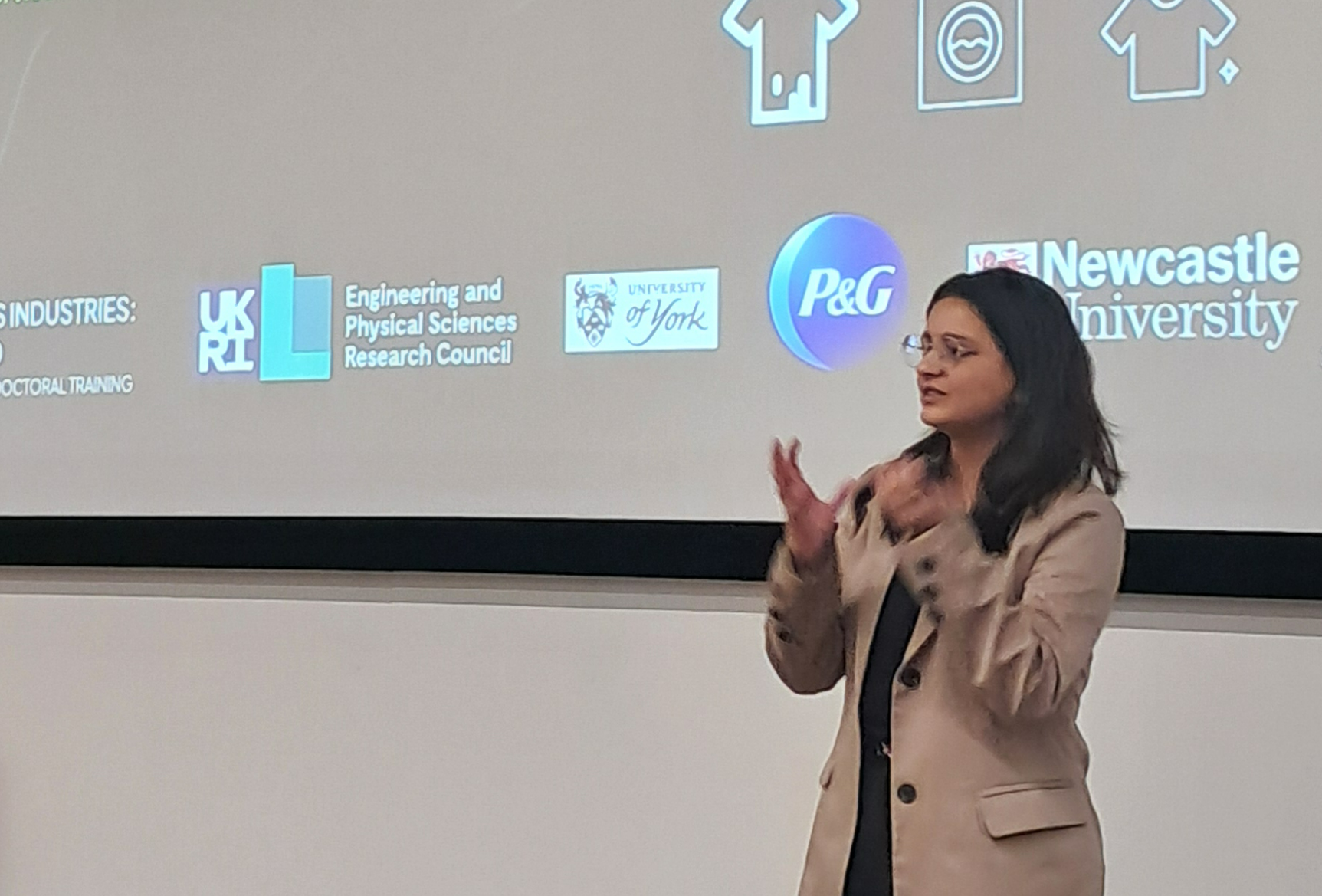
Fast moving consumer goods, such as fabric and home care products, have a high market volume and can contribute positively to industrial and consumer sustainability. This project, co-funded by Procter and Gamble, will focus on the development of novel renewable and biodegradable water-soluble detergent ingredients through a circular economy approach. The project will research CO2 activation and conversion techniques and exploit bio-renewable platform molecules in Newcastle University, with a specific focus on catalysis, molecular functionality creation, and production pathways development.
Biorenewable antioxidants production for enhanced sustainability of polymeric materials
Student: Aarcha Krishna Kalluparambil
Email: A.K.Kalluparambil2@newcastle.ac.uk
Supervisors: Dr Fernando Russo Abegão and Professor Kamelia Boodhoo
Location: Newcastle University
Industrial Partner: Thomas Swan
Several types of polymeric materials undergo rapid degradation under both storage and use, unless antioxidants and stabilisers are added to suppress undesirable reactions. This project is co-funded by Thomas Swan & Co. Ltd. and is focused on the identification and further development of routes for effective extraction and modification of biorenewable antioxidants and stabilisers in order to enhance the sustainability of polymeric materials. The project includes research of biomass sources and extraction techniques, exploitation chemical modification pathways, and investigation of performance of the novel preservatives in final application scenarios.

Greener solvents for more sustainable processes
Student: Sam Bury
Email: stb524@york.ac.uk
Supervisors: Dr Seishi Shimizu and
Dr James Sherwood
Location: University of York
Industrial Partner: Reckitt
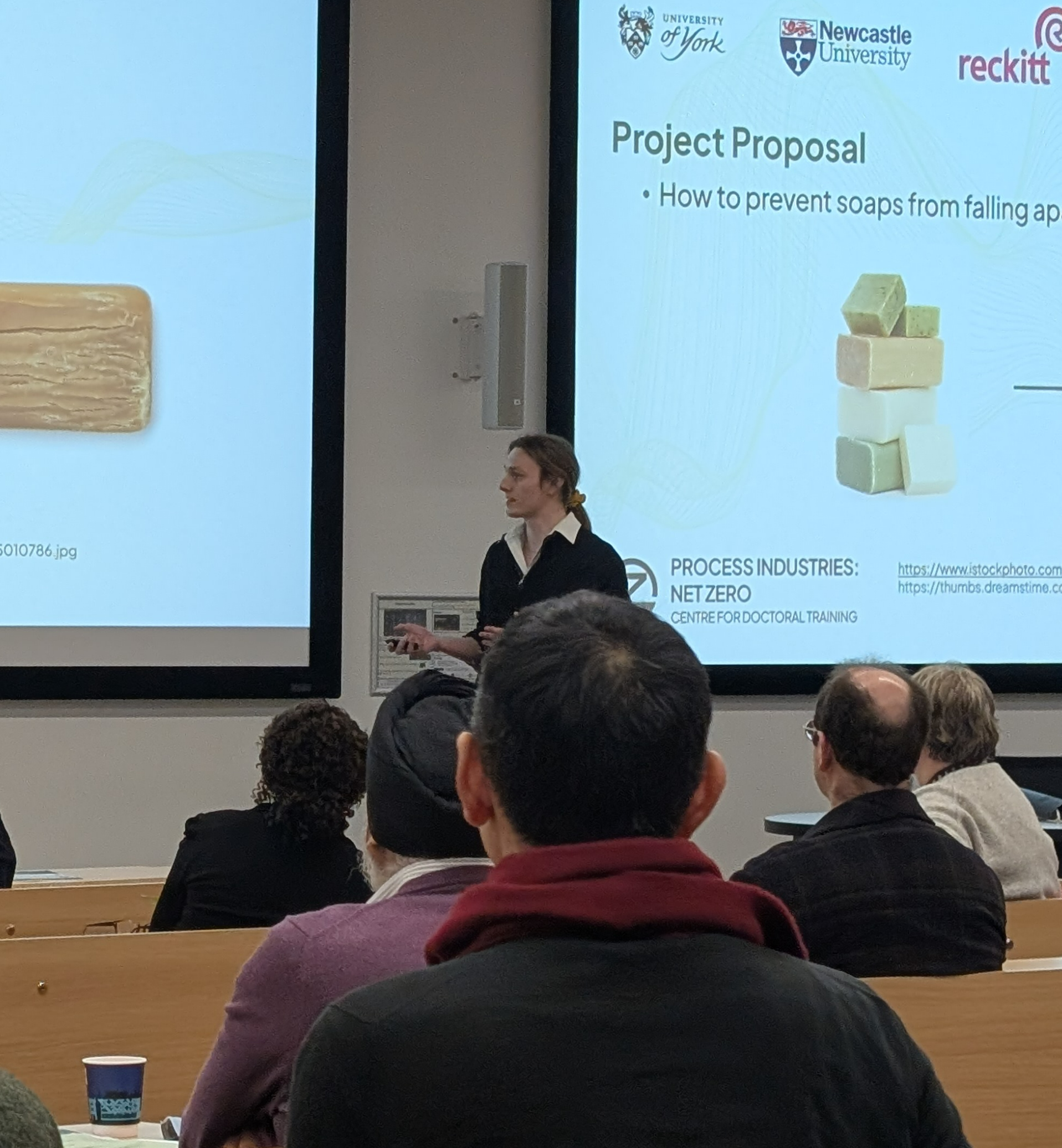
The task of replacing harmful solvents with greener and safer alternatives has been made difficult by the limitations of the theoretical models we use to understand solubility. Although the Hansen Solubility Parameters (HSP) for instance can narrow down the candidates for solvent replacement quickly, 1 they cannot describe solvation structure around a solute, and hence cannot be compared to any insights from molecular simulation or scattering measurements. The quantum chemistry COSMO-RS model 2 can describe intermolecular electrostatic interactions, yet its foundation, the lattice theory of solutions, cannot capture solvation structure. Thus, our understanding of solutions has long lacked a theory that can explain solubility (or mixing) by the solvation structure around the solute.
The difficulties surrounding solvation comes from the fact that it is driven not only by specific and stoichiometric interactions, but also weak, non-specific, fluctuating interactions. This problem has been overcome recently at a theoretical level. The statistical thermodynamic fluctuation theory, while being rigorous, can explain (i) solubilization by hydrotropes and micelles, (ii) solubility in mixed solvents, (iii) polymer conformational stabilities, (iv) particle dispersion, and (v) sorption isotherms. Based on the aforementioned achievements, this PhD project aims to modernize the practice of green solution chemistry by applying the theory to the practice of solvent substitution.
Ethyl Lactate as a Green Solvent: Processes, Performance and Air Quality Impacts
Student: Salome Usakuhyel Raymond
Email: rxn502@york.ac.uk
Supervisors: Dr Terry Dillon
Location: University of York
Industrial Partner: Thomas Swan
As most solvents are still derived from fossil fuels, The net-zero agenda is motivating research in York and elsewhere to find sustainable replacement solvents. These new “green” compounds need to perform well with regard to metrics such as aquatic impact, toxicity, flammability, explosivity and solvent performance.
Ethyl lactate is a bioderived solvent with several promising features. Ranked “green” by the GSK solvent guide it is water miscible and has a boiling point of 154°C, similar to many undesirable reprotoxic solvents, e.g. DMF (153°C). Little is known of the fate of ethyl lactate upon release to the atmosphere. Based in the Green Chemistry Centre of Excellence (GCCE), this project will look at solvent benchmarking experiments across a range of applications, green synthetic chemistry and simulations using Hansen Solubility Parameters in Practice and Kamlett-Taft parameters.

Fuels from Lignocellulosic Residues
Student: Amy Lumsdon
Email: A.Lumsdon2@newcastle.ac.uk
Supervisors: Professor Anh Phan
Location: Newcastle University
Industrial Partner: PuriFire Labs Ltd
Renewable and advanced liquid fuels will play an important role in the transition to Net Zero emissions by 2050, particularly in “hard-to-abate” sectors. Although lignocellulosic residue-derived liquid fuels have been investigated via bio/chemical and thermochemical processes, significant challenges remain in that pre-treatments remove large percentages of the feedstock (lignin), low yield overall and/or low quality of products. This project focuses on the development of a novel approach to convert the residues to advanced liquid fuels with minimum upgrading requirements. This is a co-created project with PuriFire Labs Ltd.
This project investigates advanced liquid fuels production focusing on mechanistic understanding effects of types of feedstock and operating conditions on products properties, as well as assessing sustainability and techno-economic feasibility of the developed technology and products in Newcastle University.
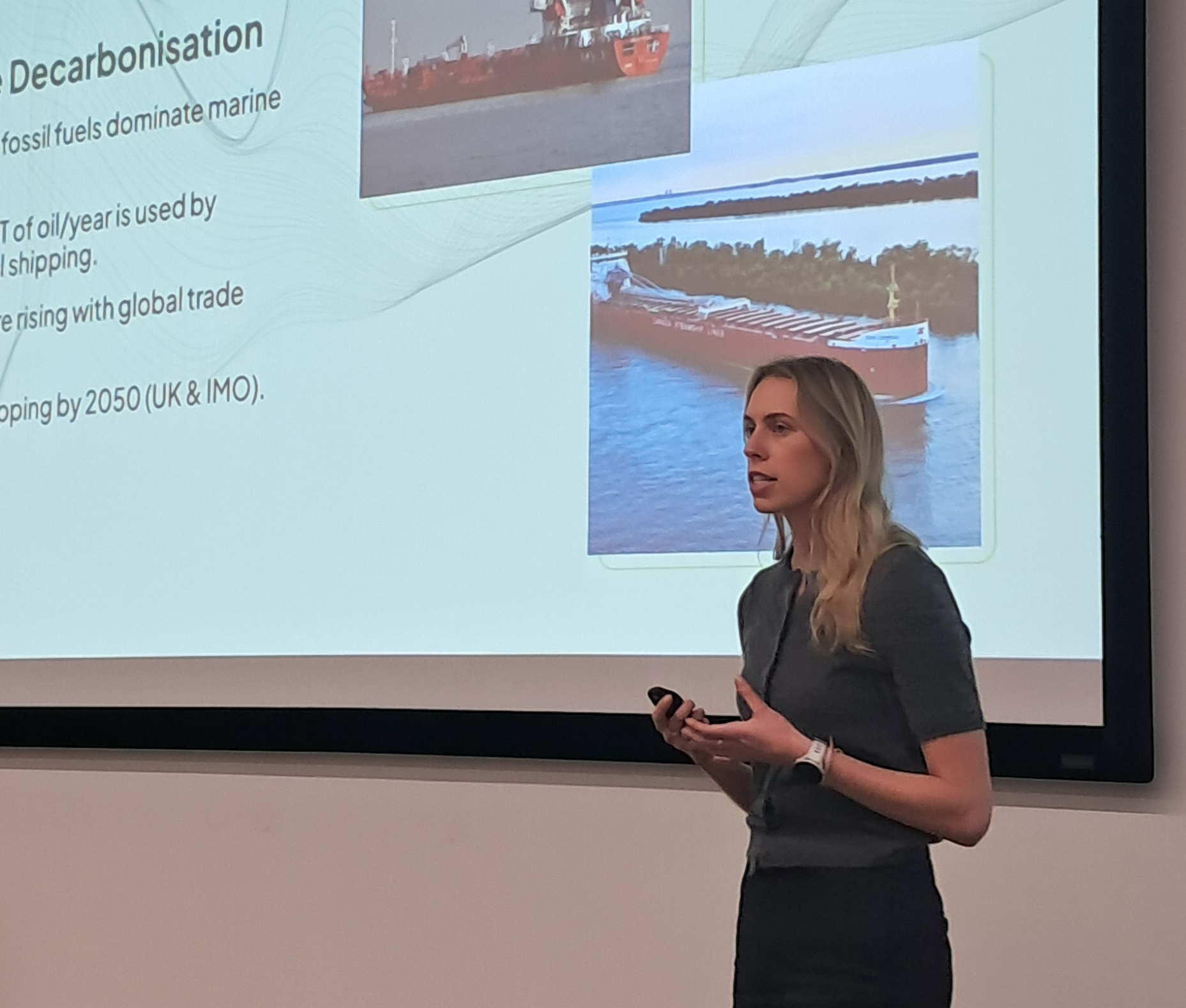
Revolutionising High-Throughput Experimentation for Sustainable Catalysis
Student: Alex Bradley
Email: ab3029@york.ac.uk
Supervisors: Professor Ian Fairlamb
Location: University of York
Industrial Partner: Johnson Matthey
Despite its potential, HTE faces challenges in reproducibility and scalability. This project directly addresses these issues by focusing on industrially relevant Suzuki-Miyaura cross-coupling (SMCC) and Buchwald-Hartwig amination (BHA) reactions. This project will investigate the entire HTE workflow, from reagent characterisation to advanced data analysis, ensuring seamless translation from small-scale screening to practical applications. Bio-based solvents, reagents, additives and ligands will be explored in the HTE workflows to enable a robust and reliable comparison to be made with petroleum-based counterparts.
A key aspect of this research will involve understanding and mitigating the impact of impurities, in common metal pre-catalysts, crucial for minimising toxic side-products. The potential of more sustainable earth-abundant metal catalysts like Ni and Fe in cross-coupling reactions will also be explored.


Investigating Activation Pathways of Industrially Critical Pd Cross-Coupling Pre-Catalysts
Student: Ben Chapman
Email: rkl524@york.ac.uk
Supervisors: Professor Ian Fairlamb
Location: University of York
Industrial Partner: Johnson Matthey
Johnson-Matthey are interested in the design, synthesis and catalytic activity of palladium pre-catalysts for application in industrially-critical cross-coupling reactions (such as Suzuki-Miyaura and Buchwald-Hartwig cross-coupling reactions). The mechanisms of activation of palladium pre-catalysts depends on many reaction parameters and exogenous chemical triggers. The primary focus of the project is to improve efficiency and sustainability in industrial processes that are dependent on the use of homogeneous precious palladium pre-catalysts. Mechanistic studies will be used to elucidate pre-catalyst activations pathways, with the global aim to contribute towards the development of greener and more efficient cross-coupling methodologies that can contribute positively to net-zero targets.
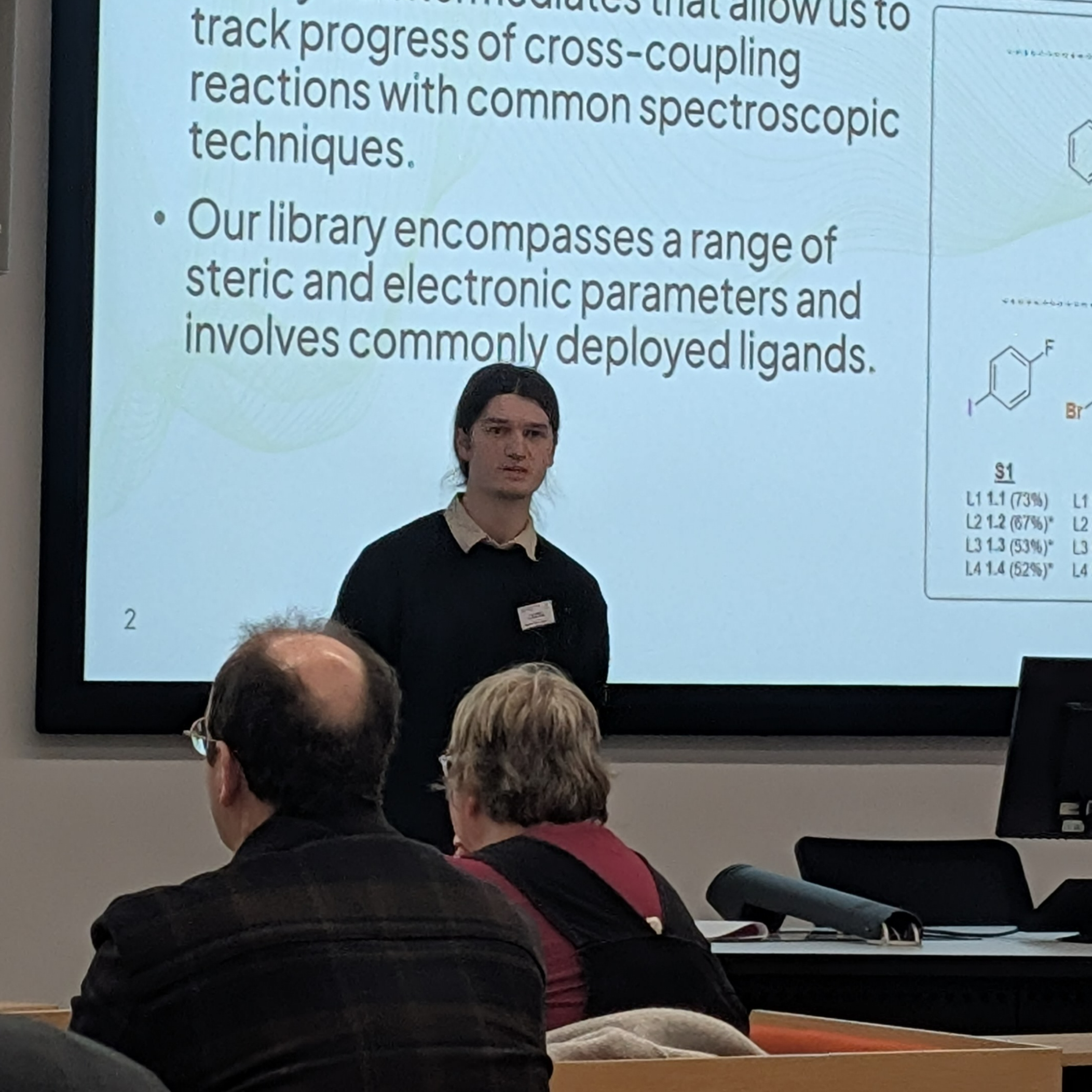
Bioprocess Intensification for Carbon Dioxide and Waste-derived Feedstock Conversion to Bio-based Products
Student: Louise Amor-Seabrooke
Email: l.c.amor-seabrooke@newcastle.ac.uk
Supervisors: Dr Sharon Velasquez-Orta and Prof Adam Harvey
Location: Newcastle University
Industrial Partner: Biofuel Evolution Ltd and CPI
To effectively address the climate crisis, we must transition towards a net-zero future and embrace a circular economy framework. The process industries play a significant role in greenhouse gas emissions, making it crucial for them to adopt sustainable practices. This includes utilising renewable fuels, materials, and resources to decarbonize operations and reduce reliance on fossil fuels.
Through collaboration between Biofuel Evolution Ltd, the PINZ CDT team, and CPI, this project will investigate the biological conversion of captured carbon dioxide and waste-derived feedstocks into renewable products.
Data analytics to map the composition of waste-derived feedstocks across domestic and global geographic regions will help us examine how seasonality (in particular weather conditions), might affect their fundamental characteristics and how waste streams will differ geographically. By understanding this, we can then design, evolve and optimise highly characterised biocatalysts, microorganisms, and microbial consortia to convert waste-based feedstocks into new products. Finally, using CPI’s pilot plant facilities, the project will assess the scalability and usability of the processes and technologies that have demonstrated in a laboratory environment, expanding on the breakthroughs and key learnings discovered.
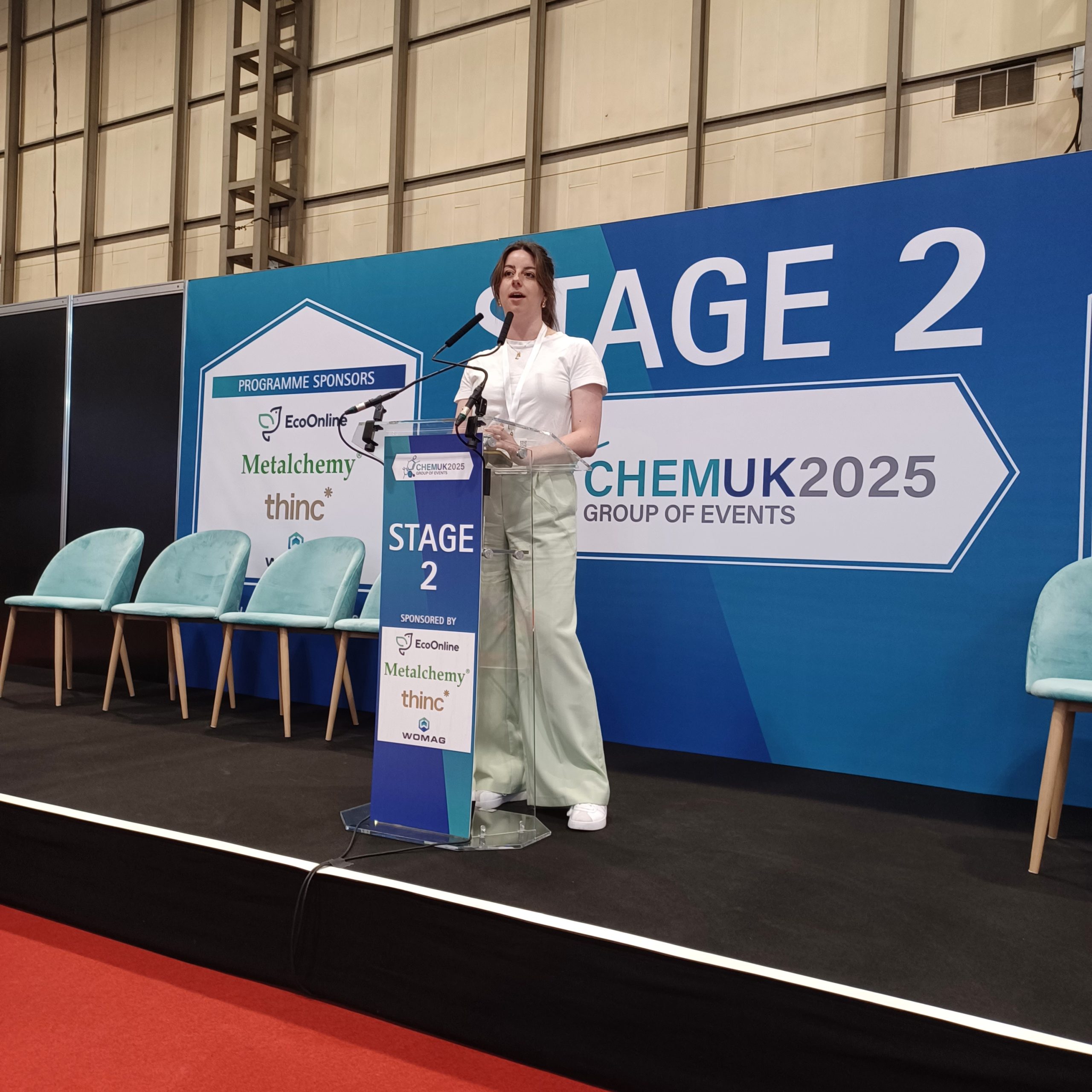
Towards Net Zero by optimising thermal energy recovery and management in the waste-water sector
Student: Abubakar Kuburi
Email: A.Kuburi2@newcastle.ac.uk
Supervisors: Dr Richard Law and
Professor Adam Harvey
Location: Newcastle University
Industrial Partner: Northumbrian Water Ltd
The recent energy crisis is placing strain on the waste-water sector to treat sewage in a cost-effective, energy-efficient manner. Additionally, increasingly stringent environmental legislation relating to total nitrogen content will impose an additional thermal energy burden on the treatment of sludge in the coming years. As a result, Northumbrian Water Ltd are investing significant sums on the development of novel processes to reduce the energy burden on-site.This project will investigate the feasibility of recovering low-grade waste heat in the waste-water sector via a comprehensive modelling and optimisation study.
Key milestones will include:
Comprehensive auditing to ascertain the amount and grade of waste heat available, and potential uses
Modelling and optimisation of suitable recovery strategies, including the consideration of novel means of heat upgrade
Extrapolation of results to the wider waste-water sector, developing a framework for waste heat recovery and management across the UK
The potential to design “real” systems which will be installed at Northumbrian Water Ltd sites, possibly within the timeframe of this project.
The initial focus of the study will be on two local case studies: Howdon and Bran Sands sewage works.
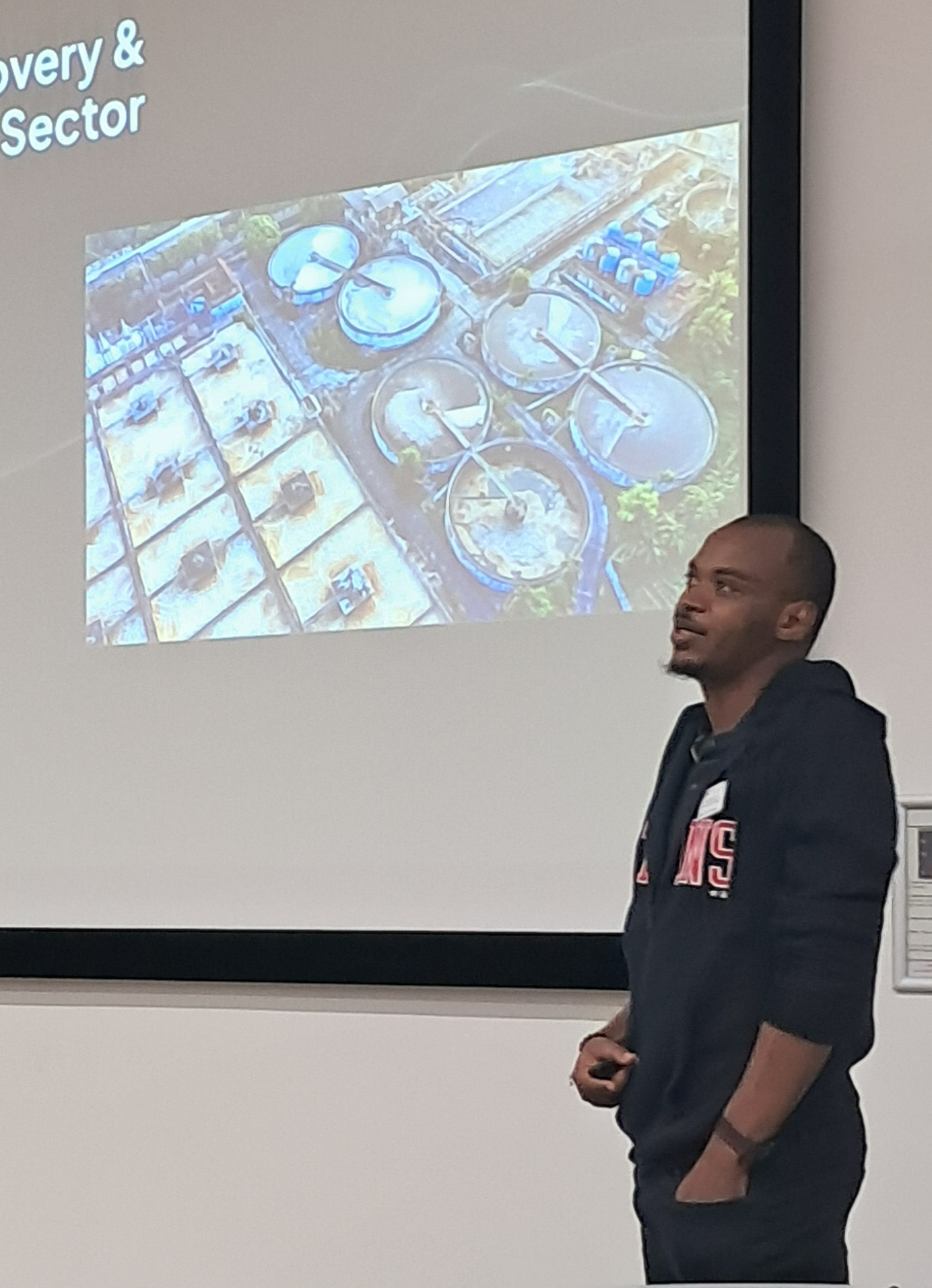
Accelerating catalytic reaction optimisation through an innovative reactor design for high throughput experimentation
Student: Max Atkinson
Email: msa582@york.ac.uk
Supervisors: Professor Ian Fairlamb
Location: University of York
Industrial Partner: Labman Automation
Fluorine-containing molecules are essential in a wide range of applications, including in many pharmaceuticals and agrochemicals. This collaborative project will develop novel metal-free catalysis for the preparation of functional fluorinated molecules. Perfluoroarenes/heteroarenes will be upcycled and the fluoride liberated by this process will be recycled through tandem C-F bond formation reactions.
The project will build on recent work in our groups to develop novel, non-metal catalysts, for the sustainable manipulation of fluorine atoms. We will take perfluoroarenes/heteroarenes as starting materials, which are readily available, but in the current push to eliminate perfluorinated molecules will benefit from partial defluorination. These will be upcycled to more valuable building blocks by C-F bond functionalisation, developing catalysis based on simple phosphines reported by Slattery and Lynam.1
C-F activation liberates an equivalent of fluoride and this will be captured and utilised in tandem, enantioselective C-F bond formation processes. This will make use of recent advances by Gouverneur, using chiral ureas as hydrogen bonding phase-transfer catalysts.2 The project will involve synthesis, catalyst development and mechanistic studies and will leverage the complementary expertise in York and Oxford to provide broad training.
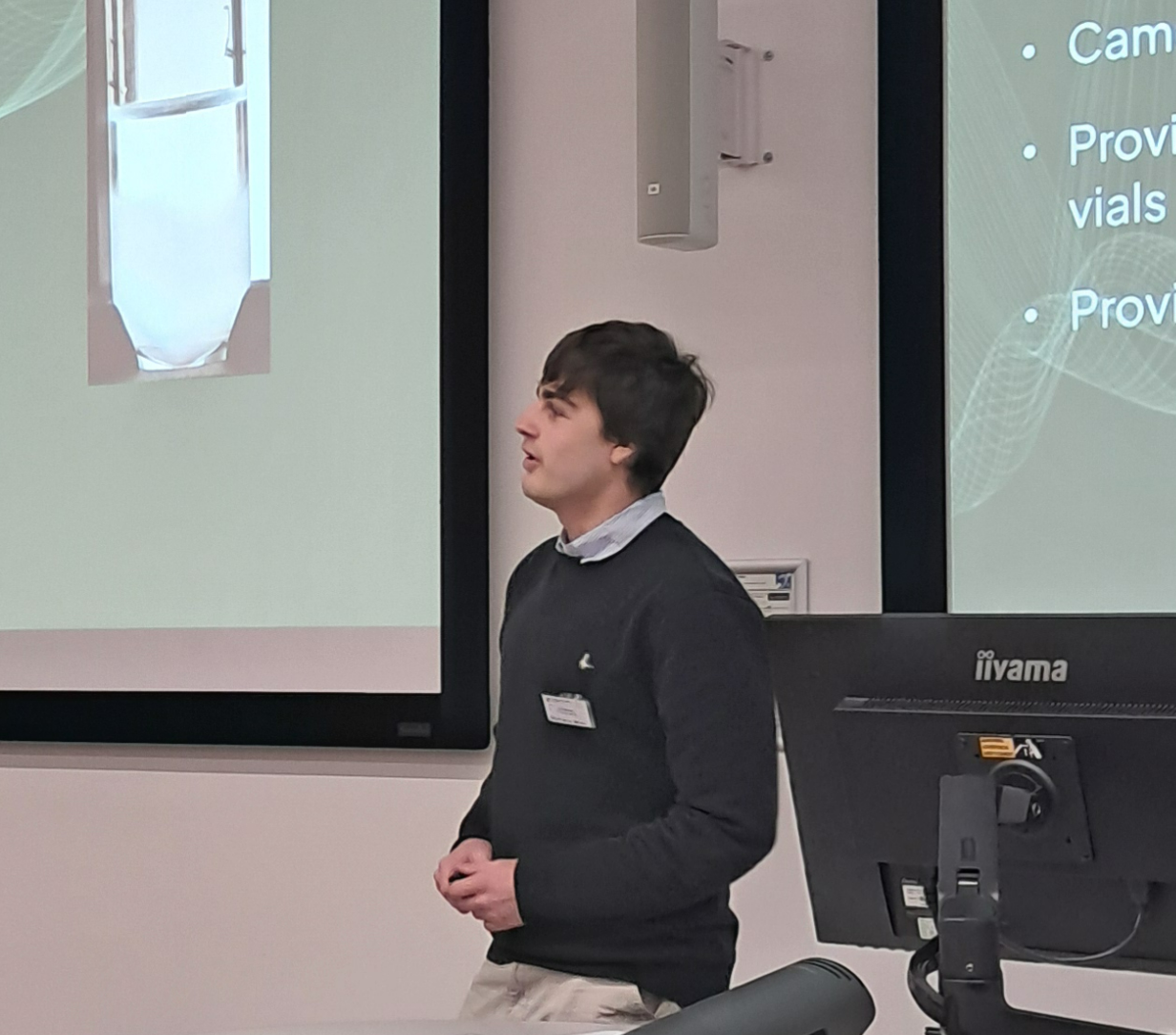
3D-Printed Reactors for Shrinking Chemical Processes
Student: Kudzaishe Chiwara
Email: K.Chiwara1@newcastle.ac.uk
Supervisors: Professor Adam Harvey and
Dr Jonathan McDonough
Location: Newcastle University
In this project, novel laboratory-scale continuous “flow chemistry” reactors will be designed and 3D-printed, and applied to a variety of real reactions from industry, currently performed in batch, to demonstrate “process intensification” and rapid, scalable process development/optimisation.
Previous work in the area by the Process Intensification Group has demonstrated that many batch processes can be made significantly “greener” via this method of process development. One recent example is a 200-fold reduction in reactor size while removing an organic solvent altogether, whilst maintaining productivity and improving yield/selectivity etc. We expect to achieve similar results with our current reactions, leading to huge reductions in carbon footprint, to help the process industries move towards Net Zero. Our 3D printing approach is highly flexible, meaning the impact of this work will be potentially far-reaching.
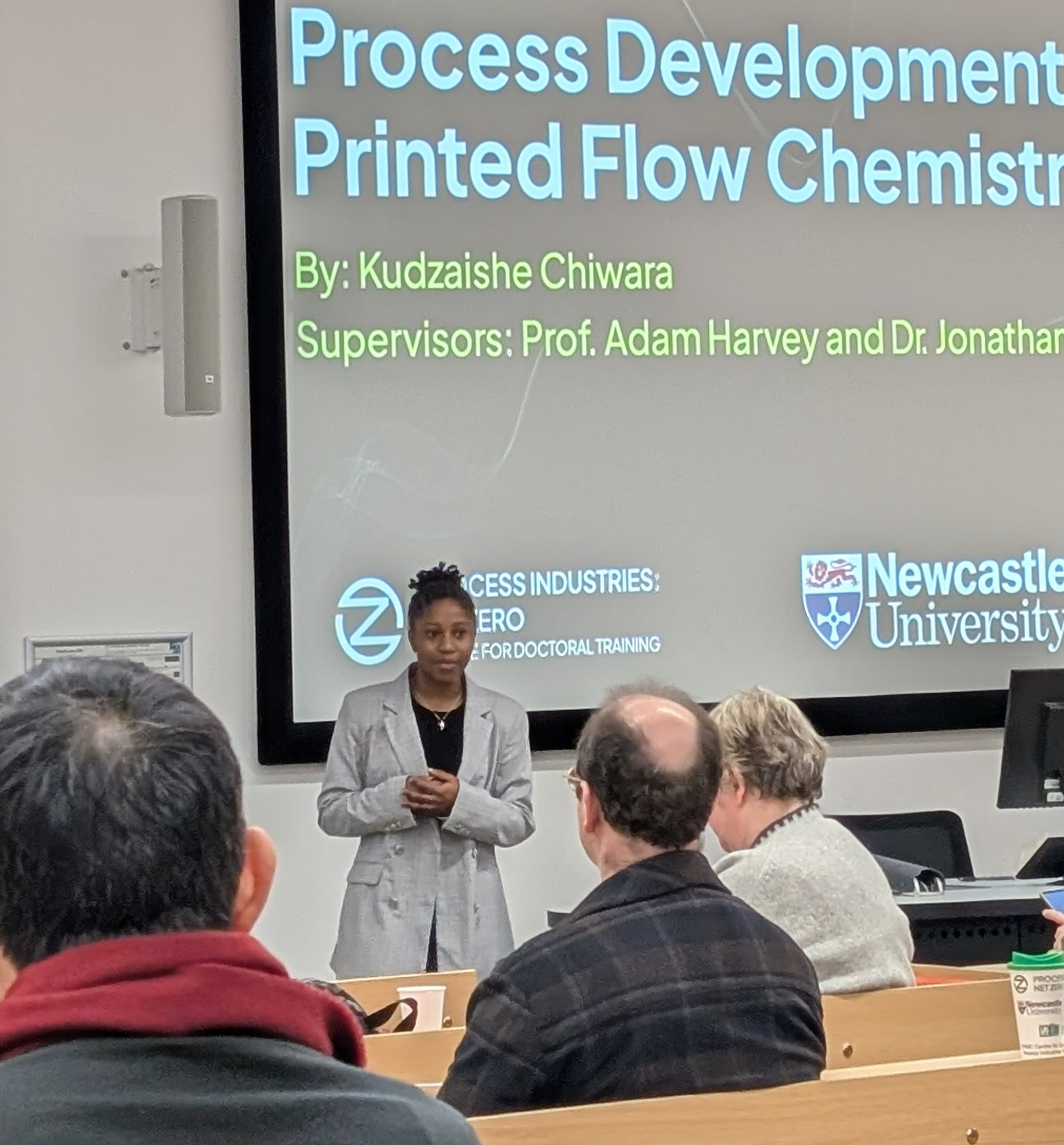
Development of Sustainable Manufacturing Processes for Confectionery Products
Student: Robyn Davies Haley
Email: R.Haley3@newcastle.ac.uk
Supervisors: Professor Adam Harvey and
Dr Richard Law
Location: Newcastle University
Industrial Partner: Nestlé
Climate change is one of society’s greatest challenges. As the world’s largest food and beverage company, Nestlé has pledged its commitment to reducing greenhouse gas emissions and achieving net zero emissions from their global manufacturing processes by 2050.
The objective is to develop an alternative method to cook confectionery products, replacing the current steam-based cooking process with an electrified energy source that does not rely on fossil fuels.
In this project, thermal properties of materials and heat transfer will be considered to explore and evaluate potential solutions. The project involves researching and assessing state-of-the-art technologies, determining their technical feasibility, and identifying how they can be leveraged to formulate a sustainable cooking solution.
Decarbonisation of thermal separation processes for removing water and organic solvents from high-performance ingredients
Student: Mohammad Hosseinpour
Email: M.Hosseinpour2@newcastle.ac.uk
Supervisors: Professor Jonathan Lee and
Dr Greg Mutch
Location: Newcastle University
Industrial Partner: Croda
Established in 1925, Croda is the name behind sustainable, high-performance ingredients and technologies in some of the world’s most successful brands: creating, making and selling speciality chemicals that are relied on by industries and consumers everywhere. This project will help to support Croda’s “Net Zero by 2050” strategy, enabling them to invest in low-carbon, intensified processes that meet their future manufacturing needs.
A range of thermal separation processes are applied across Croda, and these are estimated to contribute significantly towards Croda’s greenhouse gas (GHG) emissions. Croda is setting ambitious sustainability targets, and it is essential that manufacturing sites have visibility of technologies that can reduce the energy consumption of processes such as distillation, that are heavily reliant on natural gas.
This project will first review the various thermal separation processes employed at manufacturing sites across Croda and then determine where alternative technologies can provide a material improvement in carbon emissions without affecting product quality. Experimental and trial work will follow, to ultimately provide recommendations for potential improvements to current manufacturing processes, with the aim of reducing GHG emissions.
Reducing the Carbon Footprints of Syngenta Processes by Process Intensification via Flow Chemistry
Student: Kypros Iakovou
Email: K.Iakovou1@newcastle.ac.uk
Supervisors: Professor Adam Harvey and
Dr Jonathan McDonough
Location: Newcastle University
Industrial Partner: Syngenta
Syngenta, a global leader in agricultural science and technology, is committed to developing innovative solutions that help farmers grow crops more sustainably while addressing global food security challenges. With a focus on cutting-edge research and development, Syngenta continually explores new methodologies to enhance its product development and manufacturing processes.
In line with this commitment, Syngenta is exploring the potential of “flow chemistry” in agrochemical research and production. This approach, which has gained significant traction in the pharmaceutical and chemical industries, offers numerous advantages for rapid process development and scale-up, while ensuring more efficient continuous processing compared to traditional batch methods.
This project aims to design and test cutting edge laboratory-scale continuous reactors, applying them to various agrochemical reactions currently performed in batch. This initiative seeks to demonstrate “process intensification” and facilitate rapid, scalable process development and optimization. Previous work in this area has shown that many batch processes can be made significantly more sustainable through this method.
This work will potentially lead to substantial reductions in Syngenta’s carbon footprint and supporting Syngenta’s journey towards Net Zero emissions.

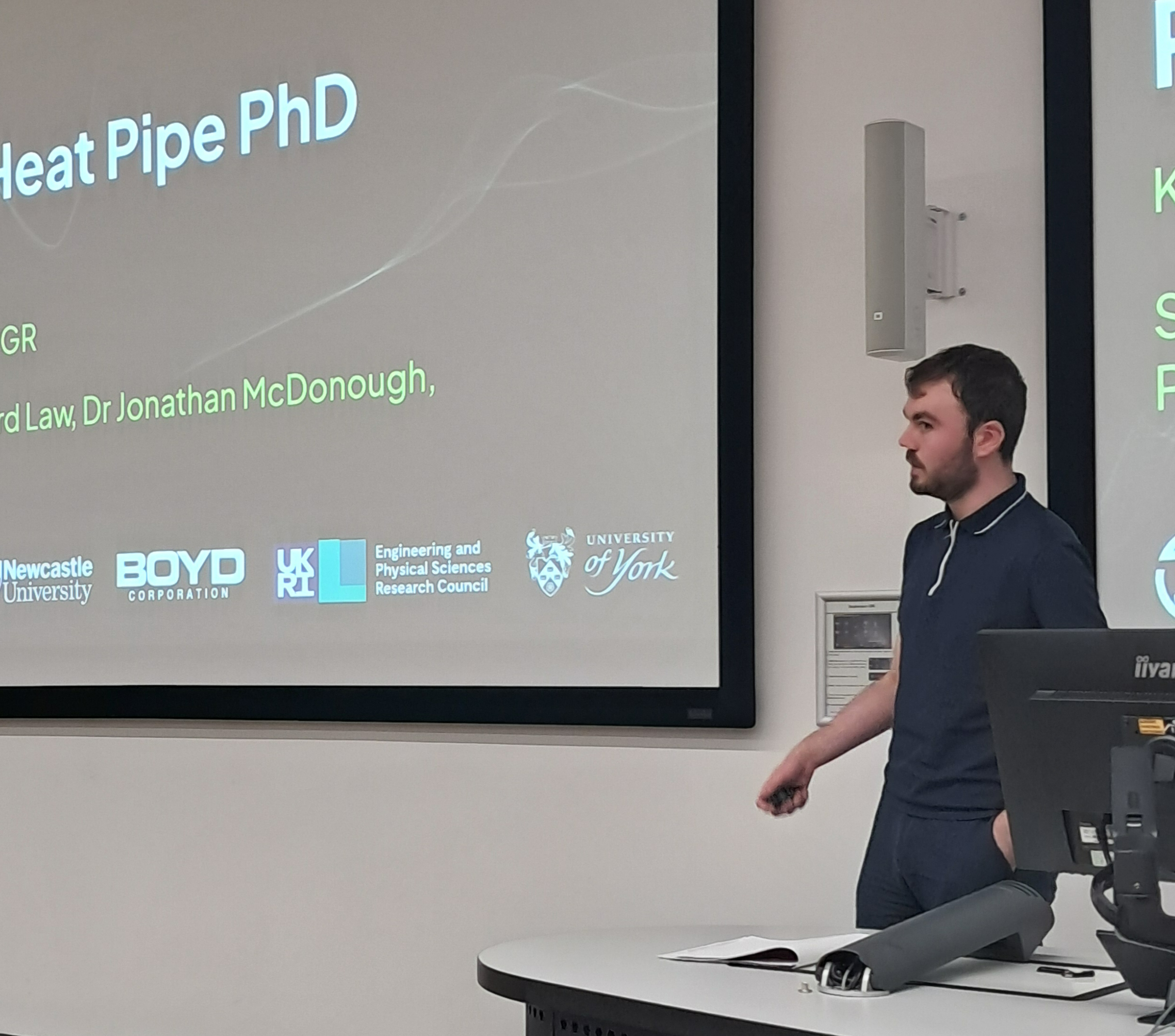
3D Heat Pipe Technology
Student: Kyle McLean
Email: K.McLean1@newcastle.ac.uk
Supervisors: Dr Richard Law and
Dr Jonathan McDonough
Location: Newcastle University
Industrial Partner: Boyd
This PhD project will develop next generation 3D Heat Pipes, to maximise thermal transport efficiency within advanced electronics for space and terrestrial applications. Vapour chambers and loop heat pipes are proposed for development into a 3D format. Vapour chambers are ultra-thin heat pipes used to rapidly spread heat in the x-y plane. They have various applications in electronics cooling/heat spreading. 3D vapour chambers are a recent advancement combining a state-of-art 2D vapour chamber with a traditional heat pipe structure to allow heat spreading and dissipation across all 3 dimensions. Loop heat pipes incorporate a complex evaporator with flexible transport lines, that require development for utilisation in a 3D environment. This project focuses on the advancement of vapour chambers and loop heat pipes into 3 dimensional environments.
Potential applications include in-orbit satellite applications, where maximising thermal performance of waste heat transport from discrete, high heat flux heat sources is paramount, and aerospace applications where the geometry between the heat dissipating source and the heat sink may be tortuous. Other applications include battery pack cooling, cooling of PEMD fuel cells and various other key enabling technologies in the drive to net zero. This PhD project within the PINZ CDT works closely with Boyd Ashington Ltd to develop the next generation of 3D cooling technologies.
Investigating the impact of gigaton-scale direct air carbon capture on natural resources
Student: Annabel Bowkett
Email: a.g.bowkett@newcastle.ac.uk
Supervisors: Dr Greg Mutch and Professor Oliver Heidrich
Location: Newcastle University
Direct air capture (DAC) is an engineered approach for removing carbon dioxide from the atmosphere and is expected to play a significant role in many climate mitigation pathways. As a diverse range of DAC technologies moves toward large-scale deployment, it is important to understand their broader environmental implications and resource requirements.
This project uses life cycle assessment (LCA) to evaluate the environmental impacts and resource demands associated with large-scale DAC deployment. It develops a consistent framework to assess multiple technologies across their full life cycles, considering factors such as energy, land, water, materials, and emissions. The aim is to identify key impact areas and support more sustainable technology development.

Systematic investigation of pyrolysis process and products for sustainable biochar production
Student: Aditya Tiwari
Email: A.Tiwari4@newcastle.ac.uk
Supervisors: Dr Anjali Jayakumar and
Professor Adam Harvey
Location: Newcastle University
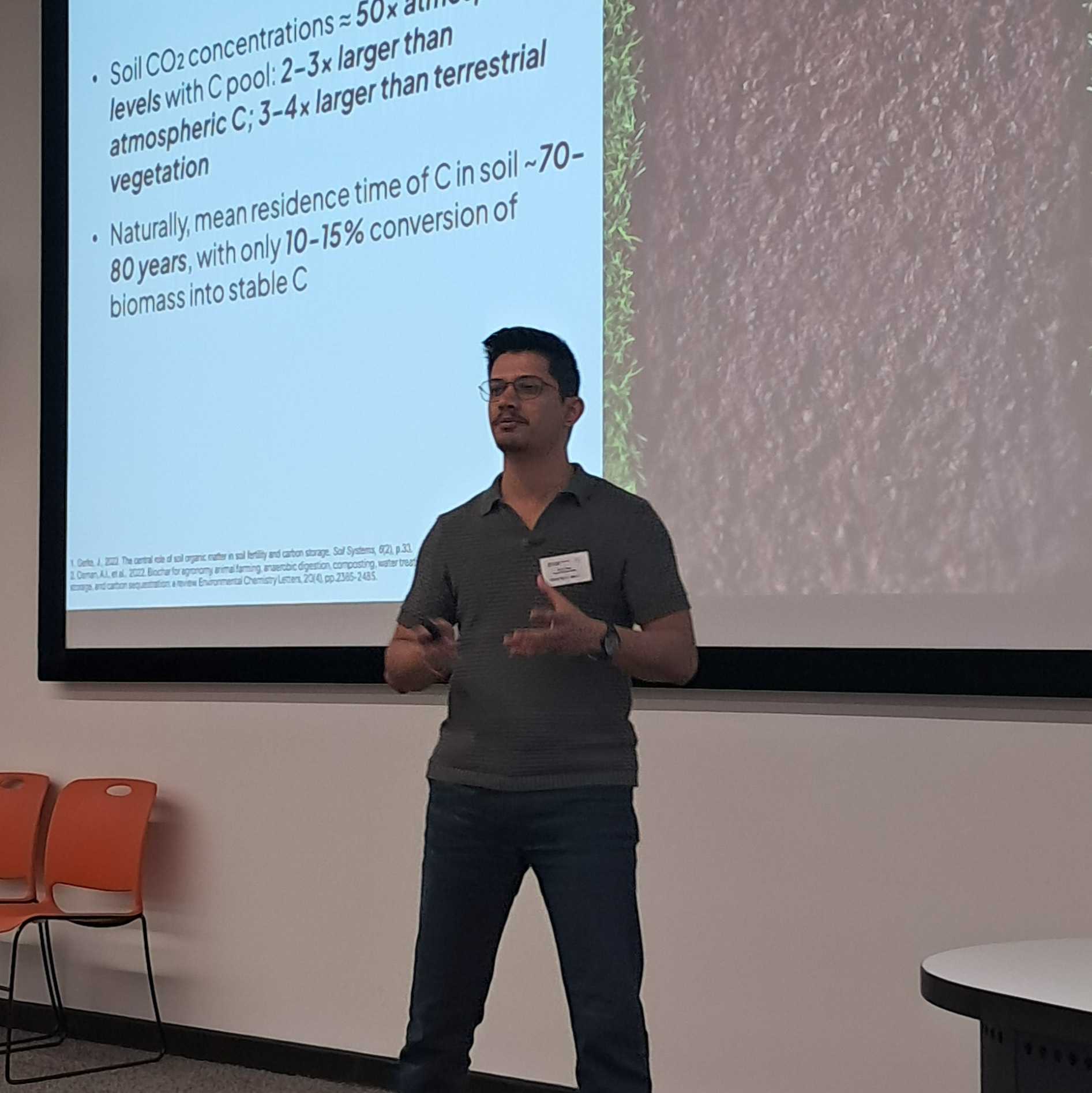
This PhD project aims to systematically investigate and enhance the pyrolysis process of crop waste, focusing on improving efficiency and product quality. The research will cover various aspects of the process, including exploring the entire operational range across different production scales to minimize environmental impact and production costs. Additionally, the study will assess potential revenue streams available by analysing advanced application scenarios for the solid, liquid, and gaseous by-products of pyrolysis. These analyses will be based on process and product characterisation, comprehensive life cycle and techno-economic assessments to align with evolving market trends and client needs, as well as to support biochar-based carbon dioxide removal initiatives.
Whole system optimisation of bioresources
Student: Dominic Gardiner
Email: D.V.Gardiner1@newcastle.ac.uk
Supervisors: Dr Mark Willis and Dr Chris O’Malley
Location: Newcastle University
Industrial Partner: Northumbrian Water Ltd
Northumbrian Water Ltd (NWL) operates two Advanced Anaerobic Digestion Plants (AAD), one on Teesside and one on Tyneside. These plants process more than 70,000 tonnes of biosolids, generating 160GWh of biofuels. Most of the biosolids are collected by road from across the North East of England – from the Scottish Border to the North York Moors. The biosolids have a high water content – meaning NWL transfers around 750,000 tonnes of material each year into the two sites and following treatment, the residual product is deposited to land as fertiliser – a further 100,000 tonnes of material moved. This haulage activity uses approximately 1.6million litres of diesel each year.
This project will builds on existing optimisation work by Newcastle University and NWL and will aim to define the ideal operational strategy for the whole bioresources system. Key areas of focus are:
Biosolids movements: optimisation/ minimisation of road movements
Fleet transition: from diesel to electric/ alternative fuels
AAD optimisation: building on existing optimiser platform
Land deposit optimisation in a changing regulatory environment.

CONTACT
Get in Touch


Connect
with Us
Join us on this journey to transform industries and pave the way for a greener, more sustainable world. Follow our page to stay updated on our latest research, initiatives, and opportunities to get involved. Together, let’s make a difference! 🌟 #PINZ #Sustainability #Innovation #Research #NewcastleUniversity
🌱 Exciting News! 🌍 We are thrilled to announce the launch of Process Industries Net Zero (PINZ), a groundbreaking centre for doctoral training at Newcastle University focused on revolutionising production processes for a sustainable future.